
Starting off, Hot Foil Printing Blocks make foil stamping possible by transferring shiny or colored foils onto materials like paper, leather, or plastic using heat and pressure. When exploring custom packaging, logos, or elegant cards, understanding how these blocks work becomes essential early on. Knowing their role helps set realistic expectations for both appearance and durability.
Hot foil printing blocks might sound technical at first, but they are simply tools designed to transfer decorative foil onto surfaces. These blocks sit inside a stamping machine where heat activates the foil coating. Pressure then forces the block down so the foil adheres exactly where intended. Without this process, achieving crisp metallic finishes would be extremely difficult.
Hot Foil Printing Blocks Explained
Hot foil printing blocks are engraved plates used when heat meets pressure. Each block carries a carved design that determines where the foil will transfer. The recessed or raised areas guide the foil placement, leaving behind a precise impression of the artwork.
Instead of ink, a thin metallic or pigmented foil sheet is used. When pressed, the foil releases only where the block contacts the surface. Letters, logos, patterns, or decorative elements appear exactly as carved. Every block is custom-made to withstand high temperatures and repeated pressure cycles.
How Hot Foil Printing Blocks Work

The foil stamping process relies on three core elements: heat, pressure, and foil.
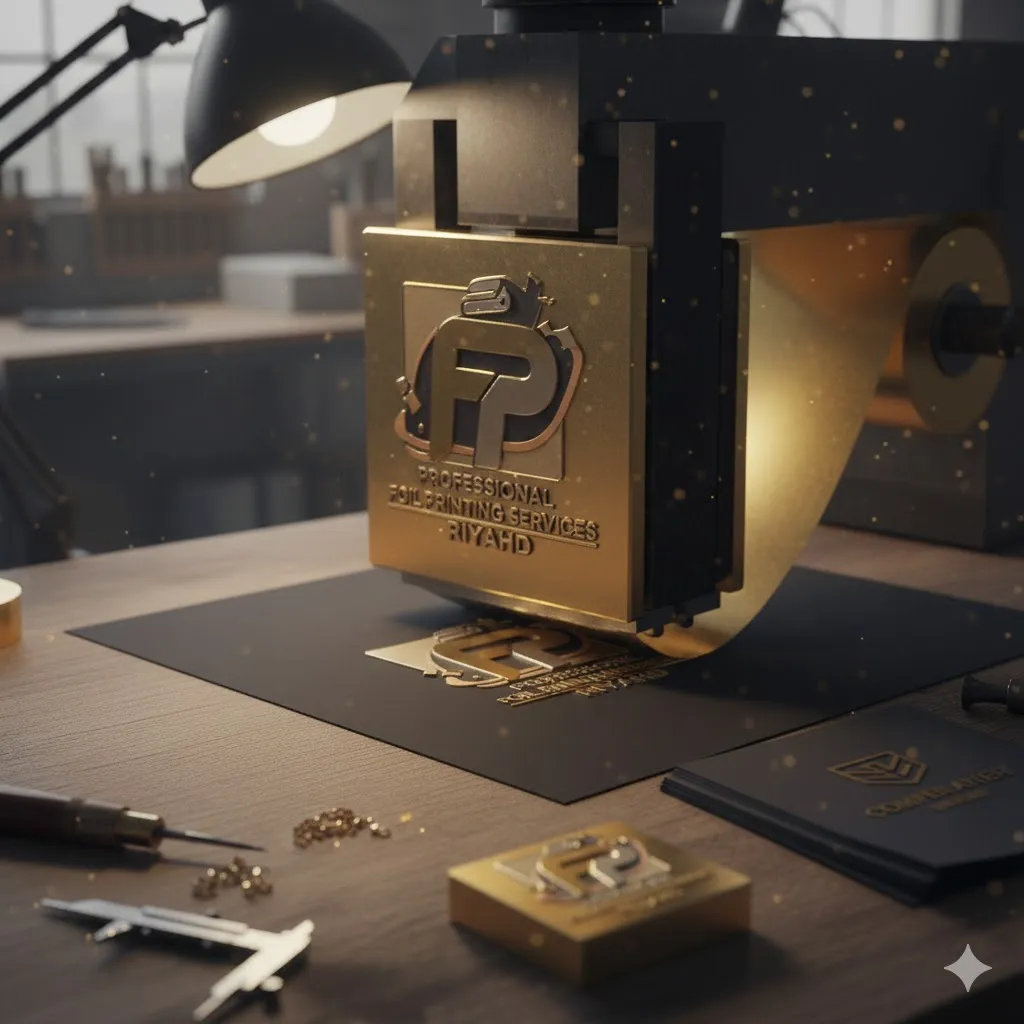
A stamping machine holds the hot foil printing block and heats it to a controlled temperature. A foil sheet is placed between the block and the material. When pressure is applied, the foil bonds only to the contact areas. Those sections become metallic or glossy, while the rest of the surface remains unchanged.
This controlled technique produces sharp edges, fine details, and rich finishes that standard printing methods cannot replicate.
Materials Used for Hot Foil Printing Blocks
The material of a hot foil printing block affects durability, clarity, and cost. Some plastic-based materials like PLA or ABS appear in experimental or 3D-printed setups, but metals remain the industry standard for professional results.
Brass Blocks
Brass is the most commonly used material for hot foil printing blocks. It conducts heat evenly, resists wear, and performs well during long production runs with fine detail.
Magnesium Blocks
Lightweight and affordable, magnesium blocks are suitable for short runs and simple designs. However, they wear out faster than brass.
Copper Blocks
Copper offers excellent heat transfer and high engraving precision. It is often chosen for detailed foil work where accuracy is critical.
Budget, design complexity, and production volume all influence the best material choice.
Types of Hot Foil Printing Blocks
Hot foil printing blocks come in several types, depending on application:
- Flat blocks – Ideal for standard foil stamping on flat surfaces
- Multi-level blocks – Used to create depth and dimensional effects
- Textured blocks – Add tactile finishes and surface variation
- Combination blocks – Perform foil stamping and embossing in one pass
Choosing the right type helps avoid production issues and ensures consistent results.
Industries That Use Hot Foil Printing Blocks
Hot foil printing blocks are widely used across many industries, including:
- Luxury packaging and boxes
- Business cards, tags, and letterheads
- Wedding invitations and premium stationery
- Book covers and publishing
- Labels, stickers, and branded packaging details
Their refined appearance makes them a favorite for high-end products.
Benefits of Hot Foil Printing Blocks
Using hot foil printing blocks offers several advantages:
- Crisp, precise impressions with clean edges
- Long-lasting, fade-resistant finishes
- Compatibility with multiple foil colors and materials
- Enhanced perceived value and brand recognition
Foil stamping doesn’t shout—it signals quality through detail and restraint.
How to Choose the Right Hot Foil Printing Block Manufacturer
Precision engraving should be your first consideration. Material quality, turnaround time, and access to technical support also matter. A reliable manufacturer ensures consistent performance and flawless foil results across production runs.
Final Thoughts
Hot foil printing blocks do the heavy lifting behind premium foil finishes. Built to handle heat and pressure, they transfer metallic layers with precision and consistency. Whether used for logos, packaging, or invitations, the right block choice determines the final impact.
For beginners, matching the block type and material to the project goal is key. Clean edges, even coverage, and durability all start with proper setup. Small tests lead to better results—and the finished piece speaks for itself.
