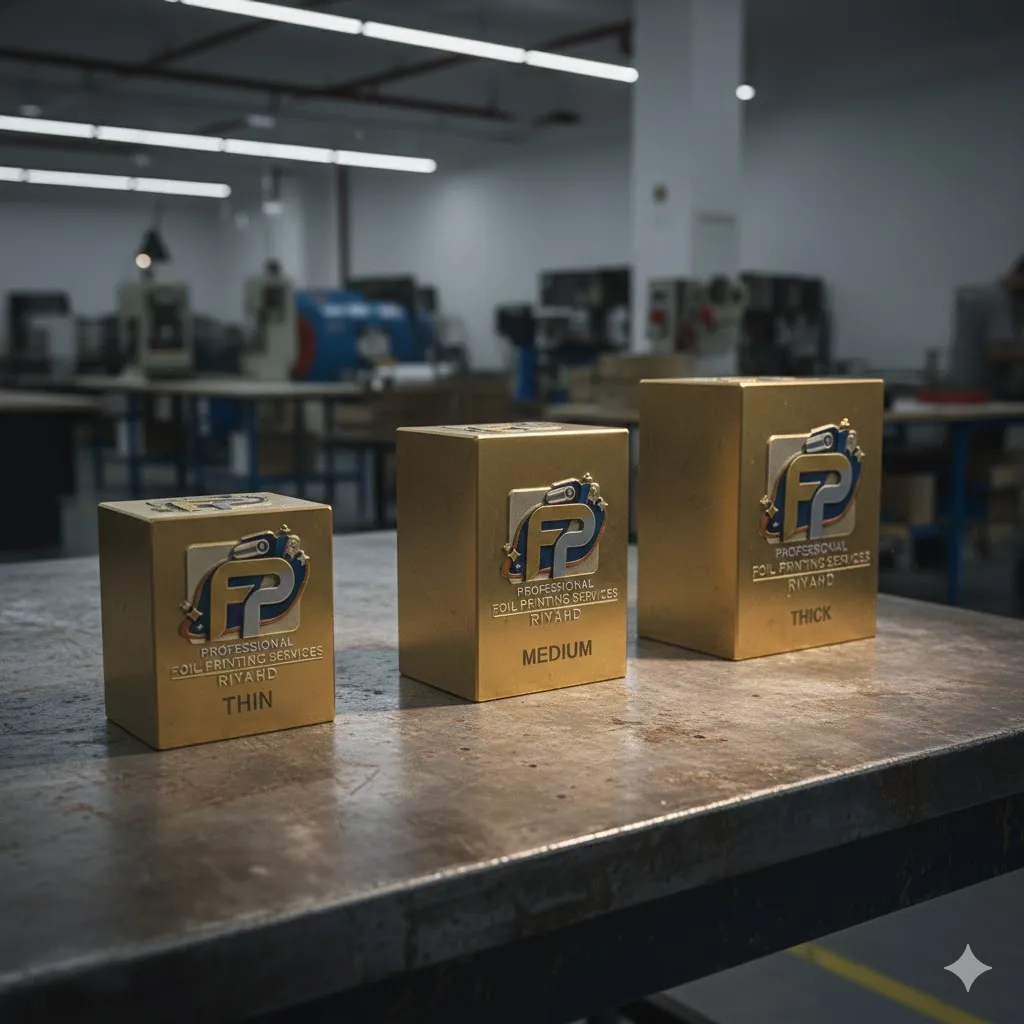
That moment when the press rolls—block depth changes everything. Most people focus on the design first, then the shine of the foil, but what sits beneath determines the final result. Too thin, and the impression feels weak. Too thick, and stress builds where it shouldn’t.
Heat spreads differently depending on the slab underneath. Miss the right fit, and edges ghost or foil crumples under strain. Every job speaks through how deep that base rides. Match it correctly, and details snap into place without asking twice.
Importance of Choosing the Right Foil Block Thickness
Heat spreads differently depending on how thick the foil block is. When a block has more mass, it holds warmth better and stays steady under pressure. A lighter block heats quickly but may cool too soon during longer runs.
Getting the depth right ensures crisp lines without distortion. Fine details remain sharp when temperature moves evenly across the surface. Smooth metallic transfer only happens when speed and consistency are balanced correctly.
A fraction too thin, and misalignment begins. For gold-pressed boxes or sharp letterheads, the right slab depth keeps edges clean over time. Skip the guesswork—incorrect height leads to reprints, wasted foil, and unnecessary cost. Sturdy dies maintain their shape across long batches, while unstable tooling causes errors to pile up.
Common Preferences When Choosing the Right Foil Block Thickness
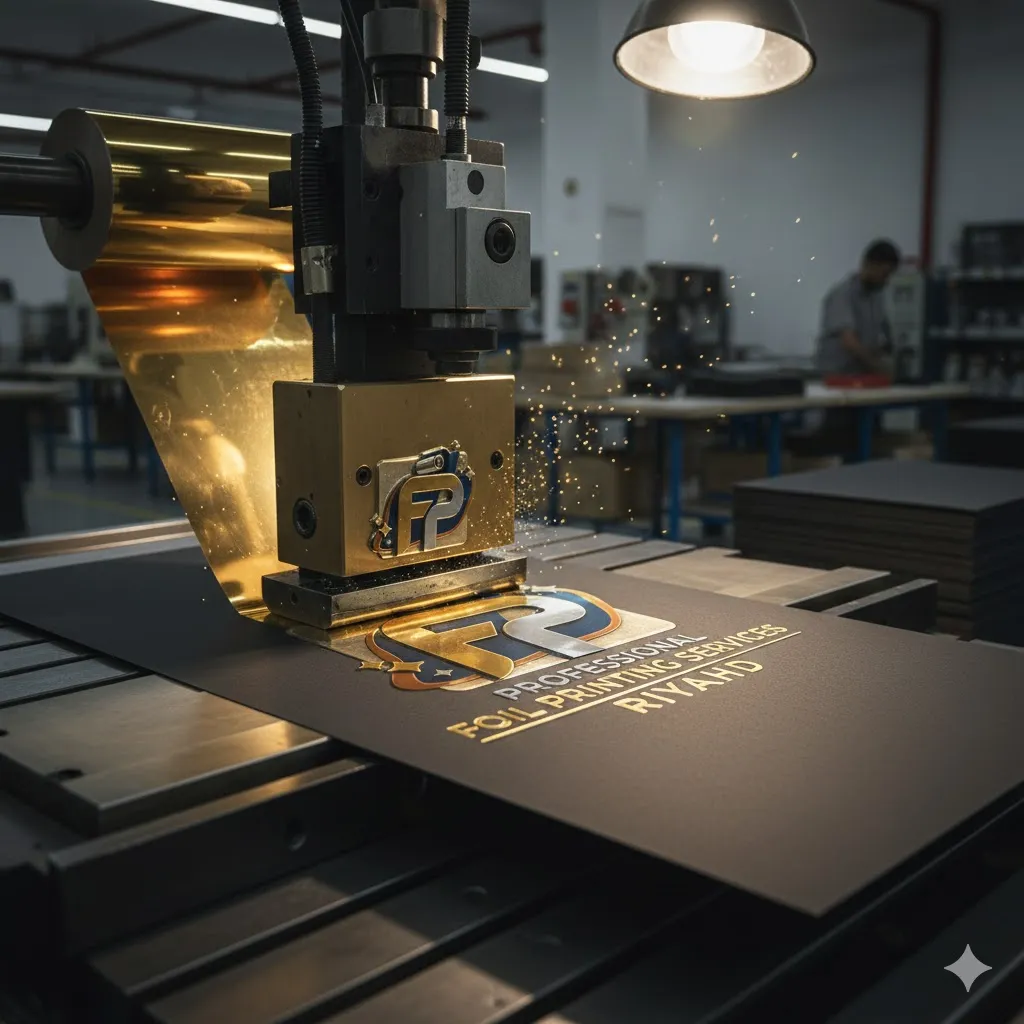
Foil printing plates are commonly produced from brass, sometimes magnesium, and occasionally copper. Thickness varies depending on material and application.
Thin Foil Blocks
Thin blocks are ideal for quick jobs with straightforward artwork. They perform best on lightweight paper where fast heat-up is important. Often used for basic foil stamping tasks, they keep production moving efficiently.
However, thin blocks are not suited for deep impressions or heavy textures. Over time, they tend to wear faster than thicker alternatives.
Medium Thickness Blocks
Medium blocks strike a balance between strength and responsiveness. Many printers rely on them for everyday logo work and text on packaging.
They perform consistently even when press settings aren’t perfectly dialed in, making them a dependable option for regular production runs.
Thick Foil Blocks
Designed for demanding applications, thick foil blocks handle extended runs without distortion. They remain stable under high pressure and retain heat evenly throughout complex designs.
These qualities make them ideal for leather stamping, thick cardstock, and premium packaging where precision matters most.
Choosing the Right Foil Block Thickness
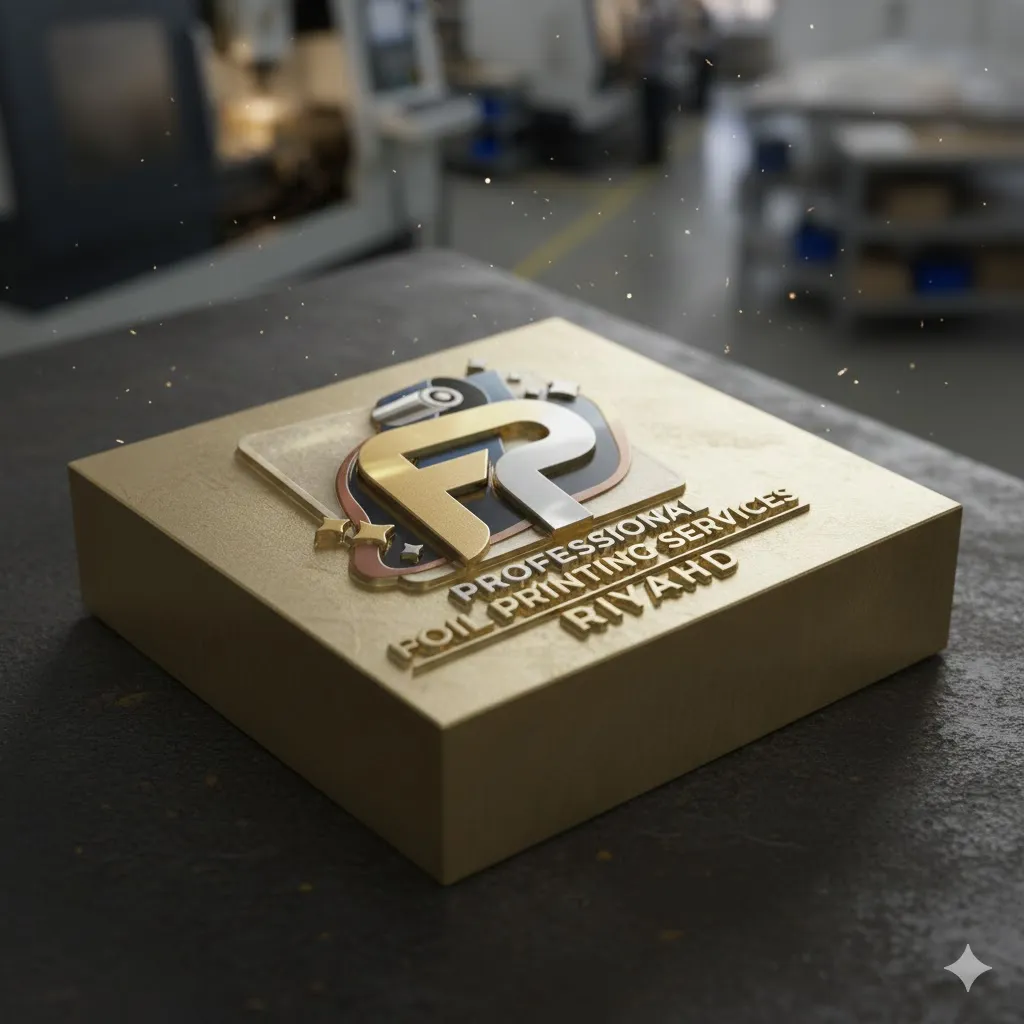
Substrate Type
Paper and materials react differently under heat. Lightweight sheets need gentle pressure, while textured or coated surfaces require more support to ensure even foil adhesion. The right thickness prevents defects before they appear.
Design Complexity
Fine lines, small text, and intricate logos demand even pressure across every detail. Proper foil block thickness keeps corners sharp and prevents the foil from cracking or breaking during transfer.
Production Volume
High-volume jobs place constant stress on tooling. Thicker blocks withstand repeated use, maintain sharpness longer, and reduce downtime caused by frequent replacements.
Press Type and Pressure
Press type plays a major role in thickness selection. Hand-operated presses typically perform better with slimmer dies, while automated presses deliver smoother results with heavier blocks built for sustained pressure.
Thickness Impact on Foil Quality
Correct block depth ensures smooth foil coverage without patchiness or over-pressing. Too thin, and impressions become uneven. Too thick, and delicate surfaces may suffer damage.
When thickness matches the job, heat flows evenly, impressions stay crisp, and foil adhesion improves naturally. Balance in build leads directly to quality on the sheet.
Partnering With a Skilled Foil Stamping Producer
Working with an experienced manufacturer like Foil Printing Blocks removes uncertainty from thickness selection. Precision tooling, high-grade materials, and years of practical expertise all influence the final imprint.
Rather than guessing, professionals evaluate artwork, substrate, and press setup before recommending the most suitable block—ensuring clean results from the first run.
Final Thoughts
No single foil block depth works for every job. Material choice matters. Design complexity changes the requirements. Production speed and press type also play a role.
Getting the thickness right improves sharpness, extends block life, and delivers consistent output. Precision at this level strengthens print quality—and ultimately, your brand.
